
Bottlenecks are the quiet failure of a banquet. The menu may be beautiful, the room may be elegant, the staff may be sufficient on paper — and still the evening stalls, because a single point in the service path was not designed for the number of people moving through it. A line at the buffet, a wait for the bar, a course that lands at the far tables ten minutes after the near ones: each is a bottleneck, and each is preventable. This guide identifies where banquet service most often jams and how to keep the evening flowing.
It is written for hosts planning banquets in Texas and Florida, and it reflects how Ambrosía plans service: by mapping the guest flow and the service paths before the night, and by confirming the staffing and layout that prevent jams. Availability is confirmed by date and venue, and the plan below is what keeps a good banquet from becoming a slow one.
Where banquet service jams
Most banquet bottlenecks happen in three places. The first is the bar or beverage station, where every guest arrives at once and where a single bartender cannot keep pace with a room of one hundred and fifty people all ordering within twenty minutes. The second is the buffet, where a single-sided station forces a line that backs up into the dining area and slows the first tables by the time the last ones reach the food. The third is the kitchen-to-table path, where a long distance or a narrow corridor means the far tables wait while the near ones are served, and the room never moves as one.
Each of these is a design problem, not a staffing problem. Adding a second bartender helps the bar; doubling the buffet helps the line; adding a server helps the table — but only if the layout allows the second body to actually work. A second bartender without a second station still shares the same ice and the same register; a second buffet line that funnels into the same serving path still jams. The fix is physical: a second bar, a double-sided buffet, a service path that does not bottleneck — and the planning is where it happens.
Recognize the bottleneck before the night. On paper, trace the guest flow from the entrance to the bar to the table to the buffet to the kitchen, and mark where two paths meet or where a single station must serve the whole room. Every merge point is a potential jam, and the walkthrough is where you see them.
The bar and the arrival rush
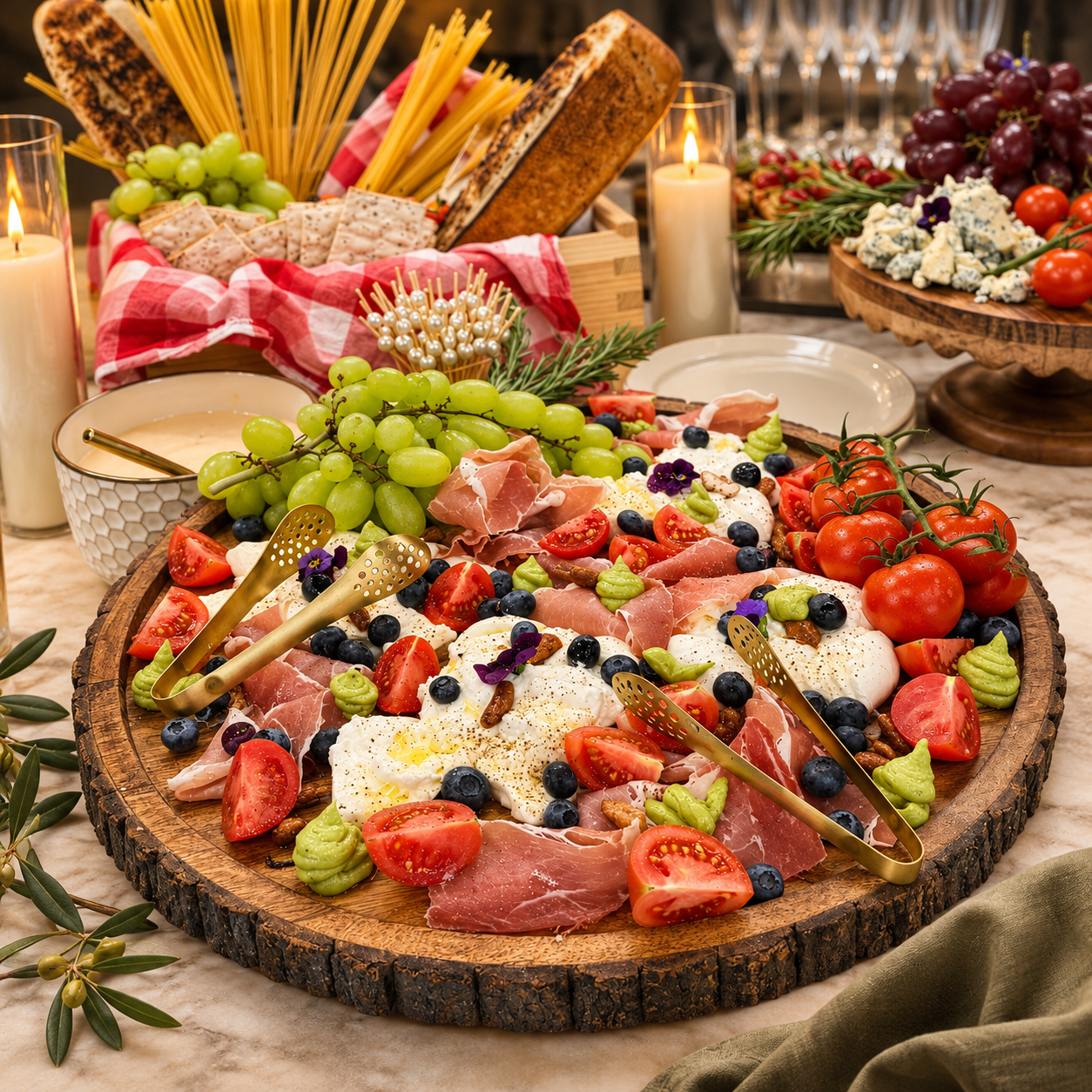
The arrival rush is the first and most predictable bottleneck. Guests enter over a window of twenty to thirty minutes, and the majority want a drink before they sit. A single bartender serving one hundred and fifty arrivals cannot keep pace — the line builds, the first guests wait, and the evening opens with a queue rather than a welcome. The fix is capacity matched to the count: a second bartender for every sixty to eighty guests above the first, and a second pour station if the bar is the only one, so two orders can be filled at once rather than one at a time.
Consider a signature drink pre-batched, which moves the bottleneck from the bartender (who must measure and shake) to the pour (which is instant). Water and a non-alcoholic option visibly available at a separate station absorb the guests who would otherwise add to the bar line for a simple pour. The bar is not the place to save money; it is the first impression, and a wait there sets the tone for the whole evening.
Position the bar away from the entrance and the buffet, so the arrival path and the beverage path do not merge into a single crowd. A bar near the door jams the door; a bar across the room distributes the room. The layout, not the bartender, is what prevents the jam.
The buffet and the seated release
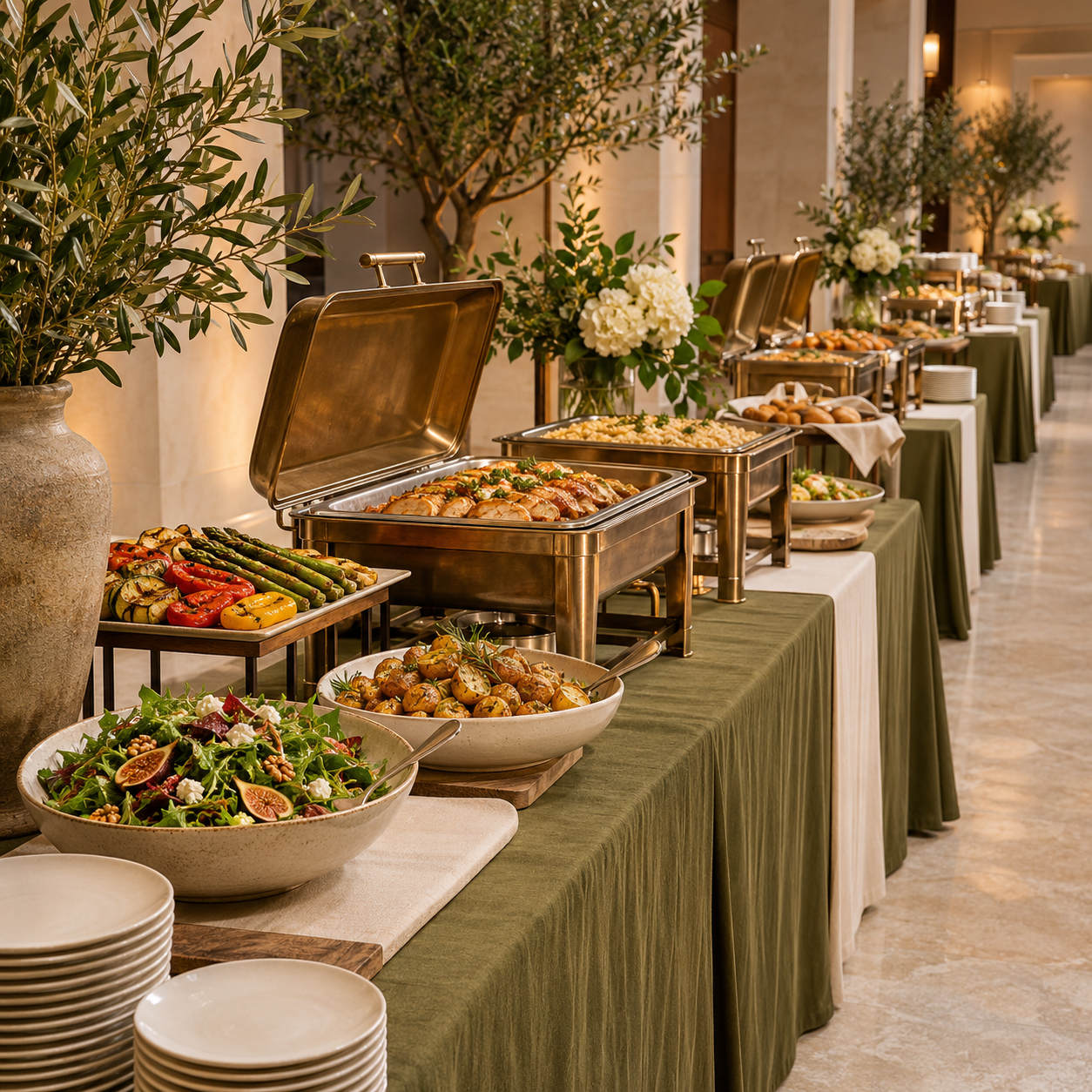
A single-sided buffet is the most common jam in a banquet, because every table must approach the same station from the same side and the line builds faster than the kitchen can replenish. The first fix is a double-sided station, which doubles the effective serving capacity and cuts the line roughly in half. The second fix is staggering the release: rather than inviting all tables at once, the floor lead calls tables up in groups of two or three, so the station clears between waves and the line never builds past a short wait.
The menu must be built for the format. Dishes that hold at temperature and that look as good at the end of the line as at the start are essential; a delicate garnish that collapses after the first ten plates makes the last fifty look tired. Label dishes clearly, separate dietary options physically, and keep the beverage station far enough from the buffet that the two lines do not merge into one crowd.
For a buffet above one hundred, plan two stations or a double-sided station with two servers per side, and time the release so the last table reaches the food within twenty to twenty-five minutes of the first. A buffet where the last table waits forty minutes is not a buffet; it is a line with a meal at the end.
Course timing and the room that moves together
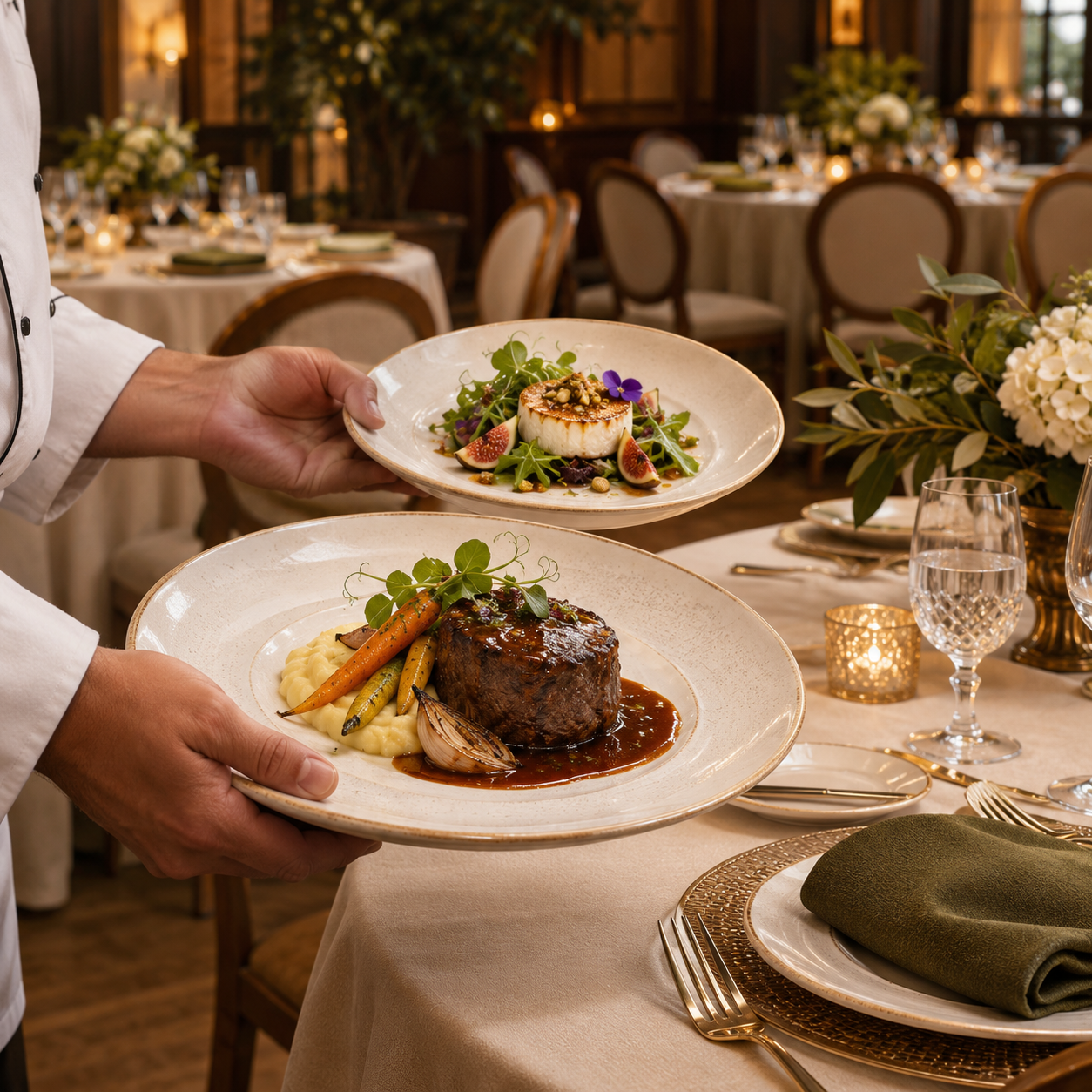
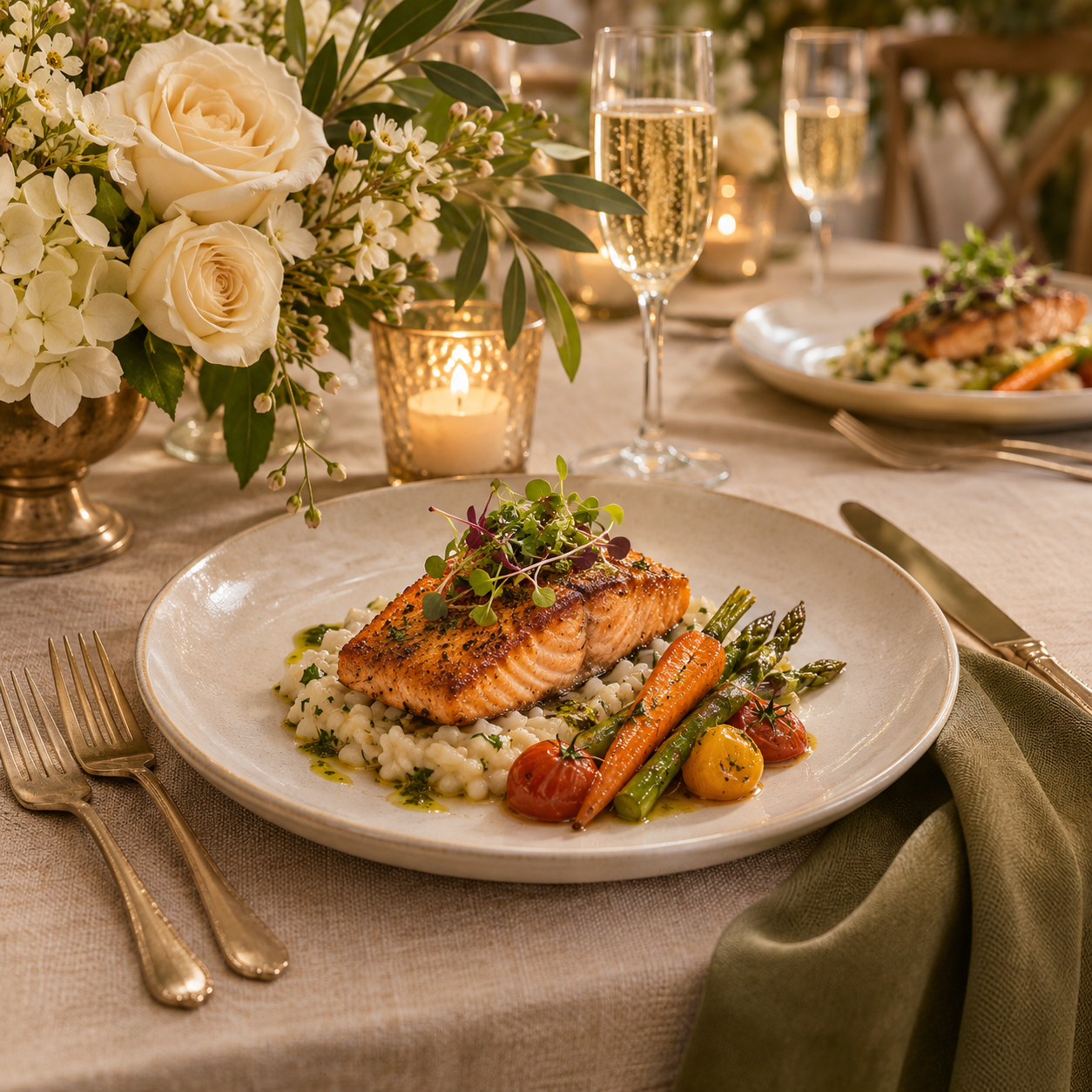
In plated service, the bottleneck is the kitchen-to-table path. If the farthest table is a three-minute walk from the kitchen, every plate arrives three minutes later than the nearest, and a room that should move together instead rolls across in a wave. The fix is staffing matched to the distance and the count — enough runners to carry the far tables' plates at the same moment as the near — and a kitchen that fires the course in waves rather than all at once, so the last plates do not sit under a warmer while the first are served.
A floor lead owns the timeline. Their job is to call the courses, to confirm the kitchen is ready before the servers move, and to watch the far tables for the signal that the room is ready for the next. Without a lead, each server serves at their own pace and the room fragments; with one, the room moves as a body. Confirm in your proposal who the lead is and how they will run your timeline, because that role is what keeps a plated banquet from dragging.
Watch for the silent bottleneck: a course that is ready in the kitchen but cannot be cleared from the tables because the bussing team is understaffed. Plated service requires clearing the previous course before the next can land, and a table that cannot be cleared in time holds the whole room. Staff the clear as carefully as the serve.
Planning the flow before the night
Every bottleneck is preventable on paper. Before the night, map the guest flow: from the entrance to the bar to the seating to the buffet or the first course to the kitchen and back. Mark the merge points and the single stations, and design a second path or a second station where the flow would jam. Confirm the staffing that each station needs to keep pace, and confirm the timeline that releases tables or fires courses in waves rather than all at once.
Share the plan with your venue coordinator and your other vendors, because a flow that assumes the room is empty will jam when the photographer's team and the DJ's setup share the same corridor. The catering flow is one of several moving through the room, and the plan that accounts for the others is the plan that does not jam.
Finally, expect the unexpected and build slack. A bartender who calls in sick, a freight elevator that fails, a course that runs long — each is a bottleneck on the night that planning absorbed on paper. A banquet with slack in the timeline and the staffing is a banquet that flows even when something goes wrong; one planned tight is one jam away from a slow evening.
Frequently asked questions
How many bartenders does my banquet need?+
As a planning reference, one bartender per sixty to eighty guests for the arrival rush, with a second pour station if the bar is the only one. Your proposal states the exact bar team for your count.
How do I prevent a buffet line?+
A double-sided station and staggered table releases. Two servers per side for counts above one hundred, and a menu that holds at temperature so the last plate looks as good as the first.
What causes a plated course to arrive late?+
Usually the kitchen-to-table distance or an understaffed clearing team. Enough runners for the far tables and a floor lead who fires in waves keeps the room moving together.
Should the bar be near the entrance?+
Generally no — a bar near the door jams the entrance. Position it across the room so the arrival path and the beverage path distribute rather than merge.
How do I plan for a course that runs long?+
Build slack into the timeline and staff the clearing team as carefully as the serving team. A banquet with buffer time absorbs a long course; one planned tight jams at the first delay.
Can bottlenecks be predicted before the event?+
Yes — map the guest flow on paper, mark merge points and single stations, and design second paths or second stations where the flow would jam. Every bottleneck is preventable at the planning stage.
Does Ambrosía plan service flow for venues outside Aubrey?+
Yes. Ambrosía serves banquet venues across Texas and Florida; travel and availability are confirmed by date and venue, and the service flow is planned for each room.
Source notes
- ✦Bartender and staffing ratios reflect common North Texas banquet practice; your count and venue may shift them.
- ✦Buffet and bar layout guidance reflects general catering service-flow practice; specific venue layouts always take precedence.
- ✦All Ambrosía banquet service flows are planned for the specific venue and confirmed with the host before the event.