
The details that make a private chef evening run smoothly are almost all confirmed before the chef arrives, and the ones most easily missed are the small, practical ones. Parking, a place to wash up, the oven that runs hot, the guest who arrives late, the dish that needs a specific glass — each is a tiny thing on its own, and together they are the difference between an evening that feels effortless and one punctuated by small interruptions. This guide names the easy-to-miss details to confirm before a chef arrives at your home, so the night unfolds the way you imagined it. It is written for hosts across Texas and Florida.
It reflects how Ambrosía works: every menu is written from scratch, the chef asks about these details during the consultation, and a short arrival note the day before confirms what is needed. The checklist below is what closes the gap between a good evening and a seamless one.
Access, parking and the arrival note
The chef arrives carrying ingredients and sometimes equipment, and the first easy-to-miss detail is how they get into your home. Confirm the address, the entrance the chef should use (front door, side gate, kitchen entrance), and any access codes or keys needed. A chef who arrives to a locked gate and no answer spends the first ten minutes of the evening on the phone rather than in the kitchen. If you will not be home when the chef arrives, arrange access in advance and confirm it the day before.
Parking is the detail hosts forget most often, and it matters more in a kitchen evening than you'd expect. A chef carrying bags of groceries and a knife roll needs a close spot, and in some neighborhoods parking is tight or restricted. Tell the chef where to park — a driveway spot, a visitor space, the closest street parking — and whether a permit or a guest pass is needed. If your home is hard to reach, with a long walk or a flight of stairs, mention it so the chef can pack accordingly or bring help for the load-in.
The arrival note is the chef's way of closing these details the day before. Expect a short message confirming the arrival time, what the chef will need (counter space, oven access, a place to wash up), and any last questions. If anything has changed — a burner that broke, a guest count that shifted, a parking restriction — that is the moment to mention it. A chef who arrives with the right information starts cooking; one who arrives with surprises starts problem-solving.
The kitchen quirks only you know
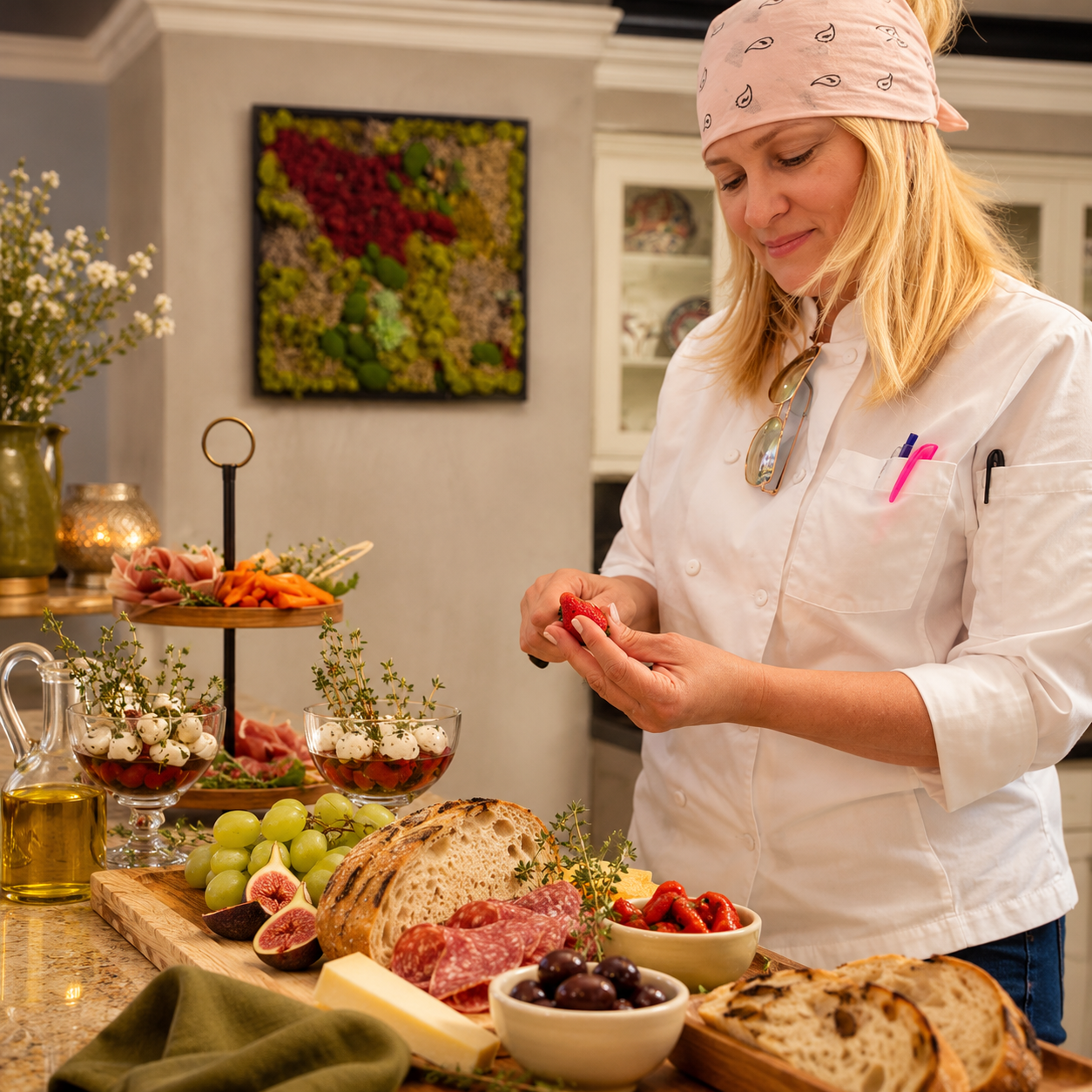
Every home kitchen has quirks, and the host is the only one who knows them. The oven that runs twenty degrees hot, the burner that only lights on the second try, the sink that drains slowly, the drawer that sticks — these are not problems, but they are things the chef should know before cooking rather than discover mid-service. Walk through your kitchen during the consultation and name what is unusual; a chef who knows the oven runs hot adjusts the first dish, while one who doesn't burns it.
Confirm the equipment that matters to the menu. If the menu calls for a sauté pan and your largest is small, say so. If it needs a blender and yours is weak, say so. If the oven's convection fan is loud and the dining room is open to the kitchen, mention it — the chef may time loud steps between courses. Each quirk you name is a small failure you prevent, and the chef can plan around every one of them if they know in advance.
The hot water is a detail that sounds trivial until it isn't. A private chef washes tools and plates throughout the evening, and a home with slow hot water turns a thirty-second rinse into a three-minute wait that adds up over a multicourse dinner. Confirm the hot water is reliable and fast; if it is not, the chef can bring a basin and work around it, but only if they know. The same goes for the dishwasher — if it is slow or loud, the chef may wash by hand instead, and that decision is better made before the night.
Guests, timing and the evening's fixed points
The guest list has details that affect the cooking, and the host knows them best. Confirm the final count a few days before — the chef shops to that number — and flag any guests with dietary needs by name and seat if possible. A guest with a celiac-level restriction needs dedicated preparation; a guest who simply avoids bread needs a design choice. The chef can handle both, but only if they know which is which before the menu is finalized. Vague dietary information produces vague accommodations, and vague is not safe for an allergy.
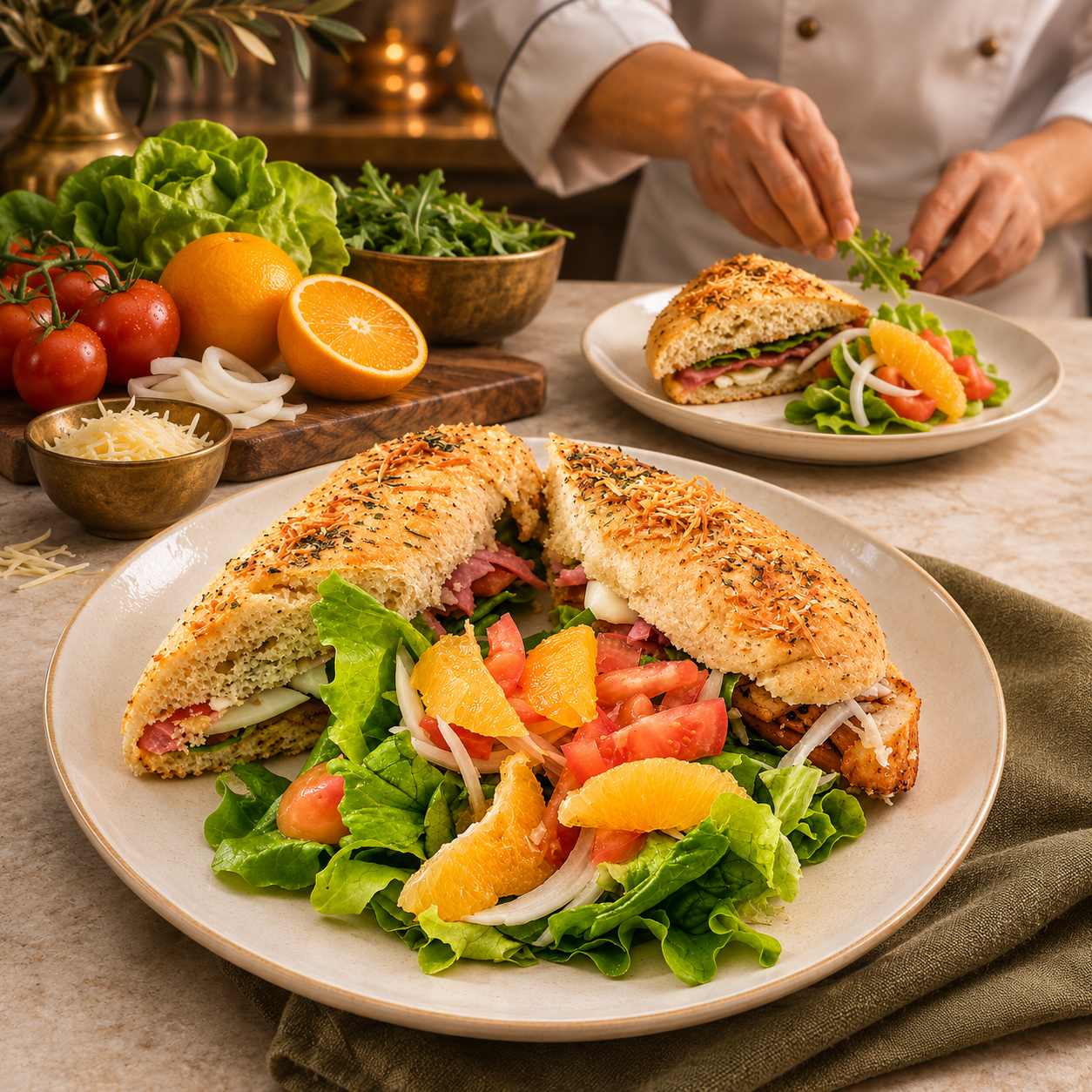
Timing is the thread that ties the evening together, and the fixed points are what the chef builds the service around. Are there toasts at a specific time? A speech between courses? A gift opening after dessert? A guest who will arrive late and should not miss the first course? Share the evening's structure with the chef during the consultation, and confirm it the day before. A chef who knows the toast is at eight-thirty holds the main course; one who doesn't may fire it during the speech.
Children at the table, a photographer who wants the couple during a certain window, a band or playlist that changes the room's energy — each is a fixed point the service can bend around, but only if the chef knows. The evening is a collaboration between your vision and the chef's execution, and the more of your structure the chef has, the more the food supports the night rather than competing with it. Bring the full picture to the consultation, not just the menu and the count.
The table, the glassware and the small gaps
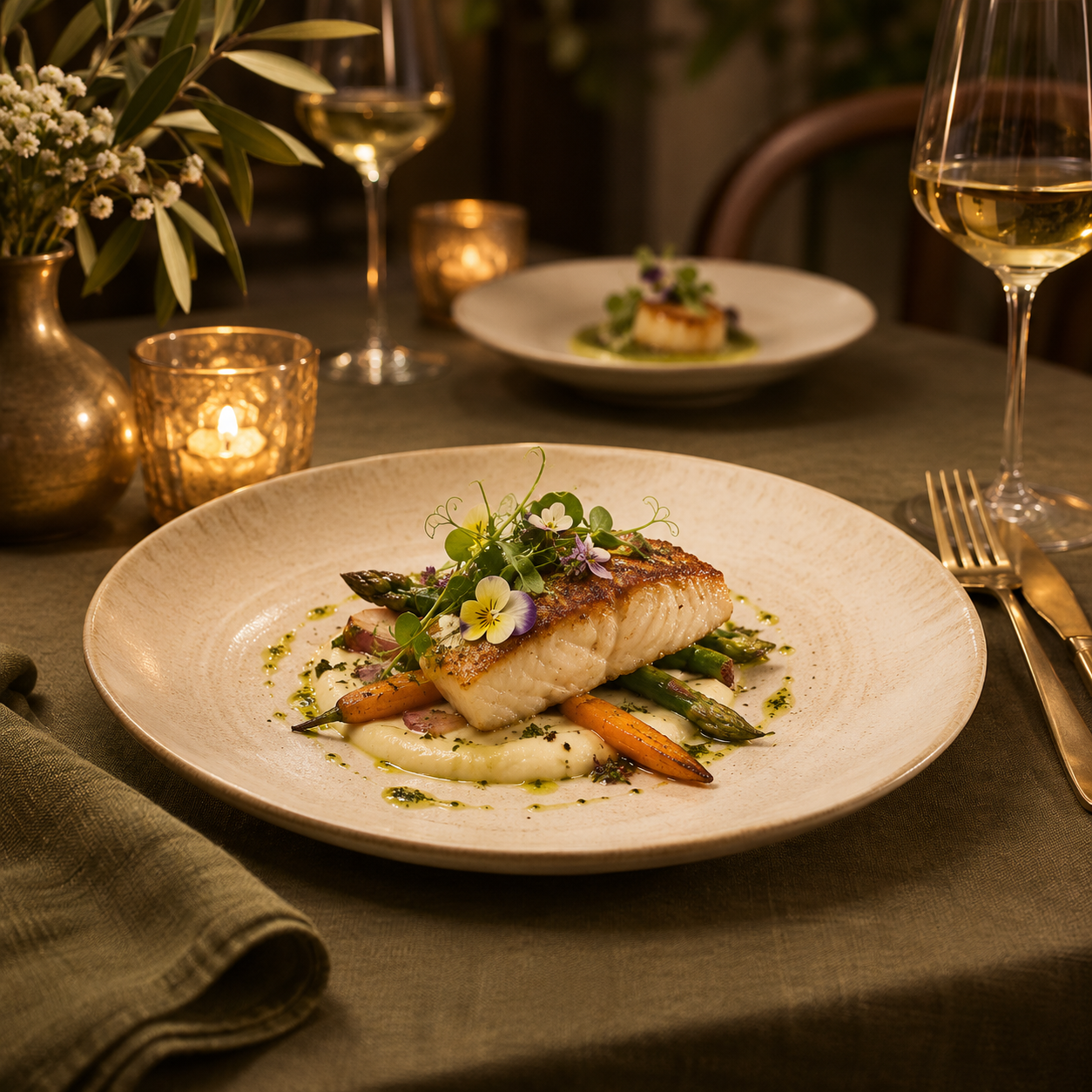
The table is yours, but the menu has needs, and the small gaps are easy to miss. A wine pairing needs the right glass; a soup course needs a bowl; a dessert needs a spoon or a fork. Walk through the menu with the chef during the consultation and confirm what each course needs on the table — not just plates and flatware, but the specific pieces the menu calls for. If you are missing something, the chef can sometimes bring serving pieces, or you can rent what the table needs, but only if the gap is known before the night.
Glassware is the detail most often overlooked. A multicourse dinner with pairings goes through several glasses per guest, and a home glassware set may not have enough of the right shapes. Confirm your count of wine glasses, water glasses and any specialty glasses the menu needs, and whether you have enough for the guest count. If a pairing calls for a specific glass and you have only a few, the chef can adjust the pairing or you can supplement — but the decision is better made during planning than at the table.
Linens, napkins and the table's setting are the final layer. Confirm you have enough napkins for the guest count (and a few extras for spills), and that the tablecloth or runner fits the table set for your count rather than for everyday use. The chef can advise on what the service needs — a side plate for bread, a charger under the plate — but the look of the table is your vision. The goal is one coherent evening: the chef's food on a table that matches it, with nothing missing and nothing improvised at the last minute.
The final check before the chef arrives
The day before, a short checklist closes the remaining details. Confirm the arrival time and access with the chef. Clear the counters, the sink and the stovetop. Make room in the fridge and confirm the hot water and dishwasher. Set the table for the guest count, with the glassware and linens the menu needs. Confirm the final count and any dietary needs by name. Each item takes a few minutes, and together they are what makes the chef's arrival the start of cooking rather than the start of problem-solving.
On the day, leave a little time before the chef arrives. A host who is still showering or setting the table when the chef walks in is a host the chef works around; a host who is ready is a host who can welcome the evening. You do not need to help the chef cook — that is the point of the service — but being present and available for the small questions (where is the trash, may I use this pan, is the oven preheated) keeps the night smooth.
Finally, plan to enjoy it. The preparation above is what lets you sit at your own table as a guest, and the details you confirmed in advance are the ones that disappear into an effortless evening. At Ambrosía, the consultation, the arrival note and the final check are all part of one confirmed plan, and every detail is agreed with you individually before the date. Your submission is an inquiry, and the checklist above is what turns a good evening into a seamless one. Share your date and venue through the inquiry page or call (469) 268-9100 to begin.
Frequently asked questions
What should I confirm with the chef the day before?+
The arrival time, access (entrance, codes, keys), parking, the final guest count, any dietary needs by name, and any kitchen changes since the consultation. The chef sends a short arrival note; respond with anything that has changed.
What kitchen quirks should I tell the chef about?+
Anything unusual: an oven that runs hot or cold, a burner that is finicky, slow hot water, a loud dishwasher, a sticking drawer. Each quirk you name is a small failure you prevent, because the chef can plan around it.
How do I handle a guest with a serious allergy?+
Flag it by name and seat if possible, and distinguish an allergy (which needs a separation protocol) from a preference (which is a design choice). Share it during the consultation, before the menu is finalized, so the chef can plan safely.
What if I don't have enough of the right glassware?+
Confirm your count of wine, water and specialty glasses during the consultation. If you are short, the chef can adjust a pairing or you can rent or supplement — but the gap should be known before the night, not at the table.
Should I be home when the chef arrives?+
Yes, or arrange access in advance. A host who is ready can welcome the evening and answer small questions; one who is still preparing is one the chef works around. You don't need to help cook, but being available keeps the night smooth.
What time should the chef arrive?+
The chef confirms the arrival time in the day-before note, based on the service timeline. A multicourse dinner typically needs one to three hours of kitchen time before the first course, depending on the menu and your kitchen.
How do I start the process with Ambrosía?+
Share your date, guest count, venue and dietary needs through the inquiry page or call (469) 268-9100. The consultation covers your kitchen, the menu is written from scratch, and every detail is confirmed with you before the date.
Source notes
- ✦Arrival and kitchen-detail guidance reflects standard in-home private chef practice; specific home layouts always shape the plan.
- ✦Dietary-handling guidance reflects general food-safety practice; allergies require separation protocols and should be shared before the menu is finalized.
- ✦All Ambrosía menus are written from scratch and details are confirmed with the host during the consultation and the day-before arrival note.