
Preparing your kitchen for a private chef is light work, but a few habits change the evening. The chef is a guest in your kitchen for several hours, and the more you clear the space and confirm the practical details in advance, the more smoothly the cooking, plating and service unfold. A kitchen that is ready lets the chef focus on the food; a kitchen that is not becomes a series of small interruptions — a missing pan, a counter still covered, an oven that runs hot — that add up over a multicourse dinner. This guide covers what to prepare, what to confirm with the chef, and what to leave for the night itself, written for hosts across Texas and Florida.
It reflects how Ambrosía works in homes: every menu is written from scratch, the chef asks about your kitchen during the consultation, and a short arrival note the day before confirms what is needed. The preparation below is what makes that arrival effortless rather than a scramble.
Clear the counters and the sink
The single most useful thing you can do is clear the kitchen before the chef arrives. Counters should be empty of daily clutter — the mail, the appliances you are not using, the dish rack — so the chef has continuous workspace to stage ingredients, chop, plate and set down hot pans. A kitchen island that is clear becomes a second work surface; one that is covered becomes an obstacle the chef works around all night. You do not need a sterile kitchen, just an open one.
The sink matters as much as the counters. A private chef uses the sink constantly — to wash produce, rinse tools, drain pasta, clean between courses — and a sink full of dishes from the day stops that flow. Run the dishwasher and empty it before the chef arrives, and leave the sink clear. If your kitchen has a second sink or a prep sink, mention it; it changes how the chef sequences the work.
Clear the stovetop and the oven, too. A cooktop with yesterday's pots still on it, or an oven holding baking sheets and storage, has to be emptied before the first thing can cook. Five minutes of clearing before the chef arrives saves the chef ten minutes of working around your clutter, and it keeps your things clean rather than moved and splashed.
Confirm your equipment during the consultation
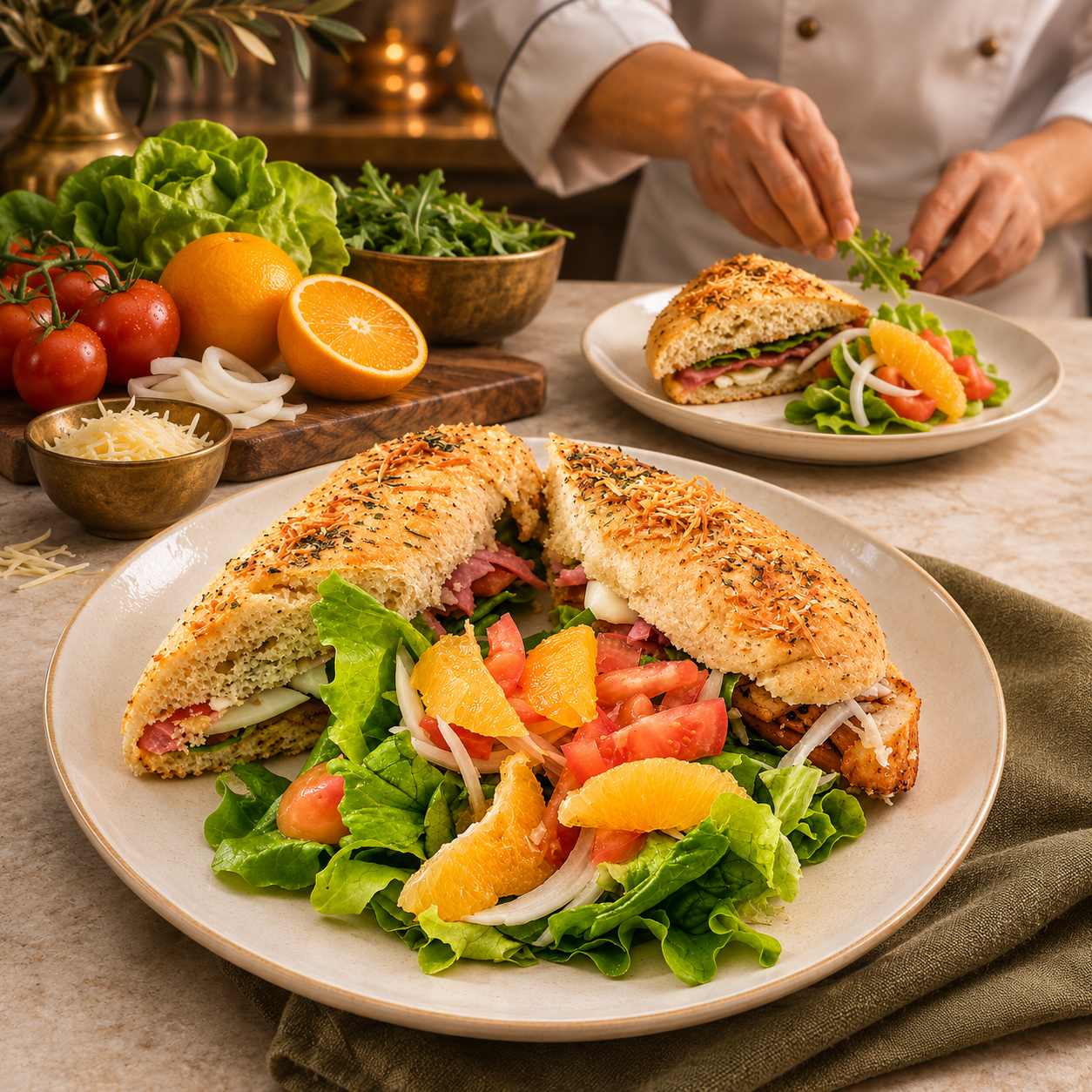
During the consultation, the chef will ask about your kitchen's equipment, and honesty here buys you a better evening. Walk through what you have: the oven (does it run hot or cold?), the cooktop (gas, induction, how many burners?), the microwave (rarely needed, but useful for some), and any specialty equipment — a stand mixer, a food processor, a grill. The chef designs the menu around what your kitchen can do, so a clear picture of the equipment prevents a menu that assumes something you do not have.
Pots, pans and tools are worth confirming, too. A private chef often brings key equipment — knives, sometimes pans, specialty tools the menu calls for — but works with your kitchen's pots and bakeware for the rest. If your largest sauté pan is small, or your only baking sheet is warped, mention it. The chef can bring what is missing, but only if it knows it is missing. A menu that needs a large sauté pan and finds a small one improvises under pressure, and that is where quality drops.
Confirm the practical details that surround the equipment. Is there a parking spot close to the kitchen entrance, or will the chef carry groceries up a flight of stairs? Is there a place to wash up, and is the hot water reliable? Does the oven need a thermometer because its dial is unreliable? These are small questions that the chef asks during the consultation, and answering them precisely makes the arrival smooth. If anything changes before the night — a burner that stops working, an appliance you lent — send a short note the day before.
Pantry, fridge and what the chef brings
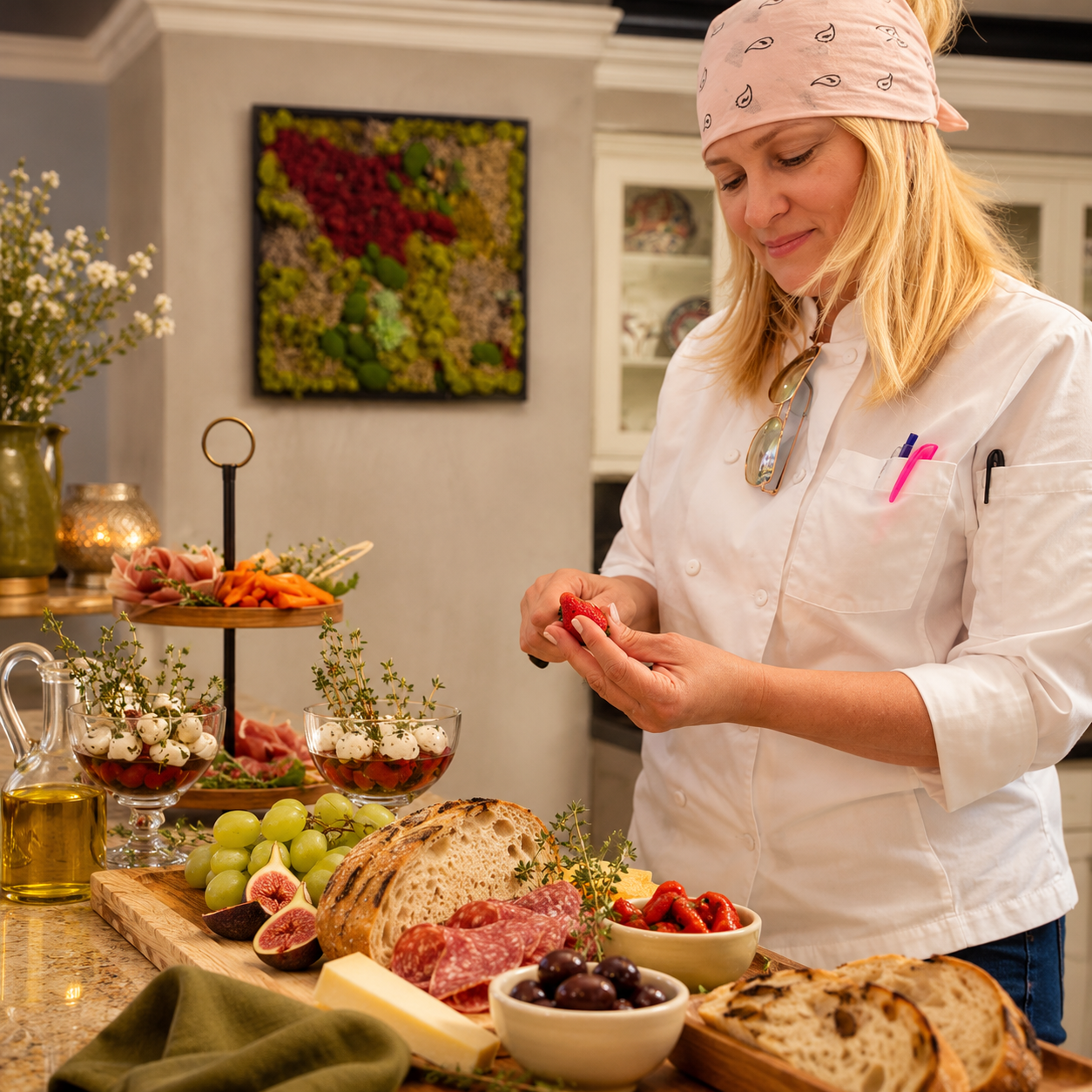
A private chef typically shops for the ingredients the menu calls for, and the grocery cost is itemized in your quote. You do not need to stock the pantry — the chef arrives with what the menu needs. What helps is clearing space so those ingredients have somewhere to go. Make room in the refrigerator for the chef's perishables, and clear a shelf or a counter for dry ingredients and equipment the chef stages on arrival. A fridge packed with your week's groceries leaves the chef juggling cold items; a fridge with a cleared shelf lets the chef work.
Basic pantry items are worth confirming, because the chef may use them rather than bring duplicates. Salt, pepper, cooking oil, sugar and flour are common; if you have them, say so, and if you do not, the chef brings them. The same goes for water — still and sparkling for the table — and ice, which a multicourse dinner goes through quickly. Confirming these small items saves the chef a bag and lets the menu use what is already in your kitchen.
What you should provide is the table itself: plates, glassware, flatware and linens for your guest count, set the way you want the evening to look. The chef can advise on what the menu needs — a specific glass for a pairing, a bowl for a course — but the table is yours. If you are missing something, mention it during the consultation; the chef can sometimes bring serving pieces, or you can rent what the table needs. The goal is one coherent evening, not a chef's food on a mismatched table.

Setup, service flow and where the chef works
Think about where the chef will work and how the service will flow before the night, because a home kitchen is not laid out for a restaurant. The chef needs a cooking zone — the cooktop, oven and a clear counter beside them — and a plating zone, often a separate counter or the kitchen island, where finished courses are composed and picked up. If those two zones overlap, the chef cooks and plates in the same small space and the rhythm tightens. If they are separate, the evening breathes.
The path between the kitchen and the dining table matters, too. The chef carries each course from the plating zone to the table, and a clear path — no chairs in the way, no doors that stick — keeps the service smooth. If the dining room is far from the kitchen or up a step, mention it; the chef may plate closer to the table or use a tray. The goal is for the food to arrive hot and the chef to return to the kitchen without disrupting your guests.
Decide how you want the service to feel. In the full-service format, the chef plates and serves each course to the table, describing what you are eating; in the quieter format, courses are plated and set for you to serve, and the chef stays in the background. Either way, the chef clears between courses and keeps the kitchen tidy as the evening goes, so the space never looks like a disaster mid-dinner. Confirm the format during the consultation so the chef arrives with the right plan.
Cleanup, what stays and what the chef takes
One of the quiet gifts of a private chef evening is that you end the night at the table, not at the sink. Cleanup of the cooking and service areas is part of the service: the chef clears the service ware, washes the cooking pots and tools, wipes the counters, sweeps the floor and takes the trash generated by the service. Your kitchen should look much as it did when the chef arrived, minus the food and plus the memory of the meal. Confirm during the consultation what 'clean' means to you — some hosts want everything put away, some prefer dishes left to air-dry.
Leftovers are worth a quick conversation. Some hosts want the chef to package unserved portions for the family; some prefer everything plated and finished on the night. Health rules in some settings restrict repacking served food, so decide before the evening and put it in the agreement. The chef can often portion and label leftovers neatly if you want them, but the decision should be made in advance rather than at the end of a long night.
Finally, expect a short follow-up a day or two after the evening — what the table loved, what surprised them, whether any recipe deserves a second life. Many private chef relationships grow from a first dinner into a recurring tradition, and that follow-up is where the next one begins. At Ambrosía, the consultation, the arrival note, the service and the cleanup are all part of one confirmed plan, and every detail is agreed with you individually before the date. Your submission is an inquiry, and the kitchen preparation above is what makes the night run.
Frequently asked questions
Do I need to clean my kitchen before the chef arrives?+
Clear the counters, the sink and the stovetop of daily clutter so the chef has continuous workspace. You do not need a sterile kitchen — just an open one. Run and empty the dishwasher, and leave the sink clear.
Does the chef bring their own ingredients?+
Yes. The chef shops for the menu's ingredients, and the grocery cost is itemized in your quote. Make room in the fridge for perishables and clear a shelf or counter for dry ingredients and equipment.
Should I provide pots, pans and tools?+
The chef often brings key equipment — knives, sometimes pans, specialty tools — and works with your kitchen's pots and bakeware for the rest. Mention during the consultation what you have and what is missing so the chef can bring what is needed.
What do I need to provide for the table?+
Plates, glassware, flatware and linens for your guest count, set the way you want the evening to look. The chef can advise on what the menu needs, but the table is yours. Mention any gaps during the consultation.
Does the chef clean up after the meal?+
Yes. Cleanup of the cooking and service areas is part of the service — counters wiped, pots washed, floor swept, trash taken. Your kitchen should look much as it did when the chef arrived. Confirm what 'clean' means to you.
What happens to leftovers?+
Decide before the evening. Some hosts want the chef to package unserved portions; some prefer everything finished on the night. Health rules may restrict repacking served food, so put the decision in the agreement.
How do I confirm the kitchen details with the chef?+
During the consultation, walk through your oven, cooktop, tools, parking and water. If anything changes before the night, send a short note the day before. Share your details through the inquiry page or call (469) 268-9100.
Source notes
- ✦Kitchen-preparation guidance reflects standard in-home private chef practice; specific equipment and layout always shape the plan.
- ✦Cleanup and leftover handling reflect general food-safety practice; venue and local rules always take precedence.
- ✦All Ambrosía menus are written from scratch and kitchen details are confirmed with the host during the consultation.